How to Choose the Perfect Gazebo for Any Outdoor Event or Party
Selecting the ideal gazebo for outdoor events requires careful consideration of multiple factors that can make the difference between a memorable celebration and a disappointing experience. The right gazebo serves as more than mere shelter; it becomes the focal point that defines the event atmosphere, protects guests from unpredictable British weather, and provides the foundation for successful outdoor entertaining. Whether hosting an intimate garden party, elaborate wedding reception, corporate gathering, or community festival, understanding gazebo selection principles ensures your investment enhances rather than hinders the event experience.
Modern gazebo options extend far beyond traditional garden structures, encompassing sophisticated event solutions that address specific hosting needs whilst maintaining aesthetic appeal and practical functionality. From pop-up convenience to permanent installations, contemporary gazebos offer features designed to accommodate diverse event requirements, guest capacities, and venue constraints. The key lies in matching gazebo characteristics to event objectives whilst considering practical elements including weather protection, space utilisation, and budget constraints.
Understanding Your Event Requirements
Successful gazebo selection begins with comprehensive assessment of event characteristics, guest expectations, and venue conditions that influence both practical and aesthetic requirements. Understanding these fundamental elements prevents costly mistakes whilst ensuring the gazebo enhances rather than compromises the event experience.
Event type significantly influences gazebo requirements, with formal occasions demanding different features compared to casual gatherings. Wedding ceremonies require elegant aesthetics and photogenic backdrops, whilst children's parties prioritise safety and durability over sophisticated appearance. Corporate events may need professional presentation capabilities, whilst community festivals require robust construction and weather resistance. Identifying primary event objectives helps narrow gazebo options to those best suited for specific occasions.
Guest capacity determines not only gazebo size but also configuration requirements that affect both comfort and functionality. Calculating appropriate space allocation per guest ensures adequate room for movement, seating arrangements, and activity areas whilst preventing overcrowding that can diminish enjoyment. Different event types require varying space allocations, with dining events needing more space per guest than standing receptions or presentation formats.
Duration and timing considerations affect gazebo selection through different performance requirements for temporary versus extended installations. Single-day events may prioritise quick setup and portability, whilst multi-day festivals require enhanced weather resistance and structural durability. Seasonal timing influences weather protection requirements and impacts material selection and accessory needs.
Budget constraints must encompass not only initial gazebo costs but also accessories, installation, and potential rental fees that affect total event expenses. Understanding budget implications helps identify realistic options whilst avoiding overspending on unnecessary features or underinvesting in essential capabilities that could compromise event success.
Venue characteristics including available space, ground conditions, access limitations, and existing infrastructure significantly influence gazebo selection and installation requirements. Site assessment identifies potential challenges and opportunities that affect both gazebo choice and setup planning, ensuring compatibility between gazebo requirements and venue capabilities.
Weather contingency planning becomes crucial for outdoor events, requiring gazebos that provide adequate protection whilst maintaining event functionality under challenging conditions. Understanding local weather patterns and seasonal risks enables appropriate gazebo selection and contingency planning that ensures event success regardless of conditions.
Gazebo Types and Their Applications
Different gazebo types offer distinct advantages for specific event applications, making understanding of available options essential for optimal selection. From temporary pop-up structures to permanent installations, each type addresses particular needs whilst presenting unique considerations for event planning and execution.
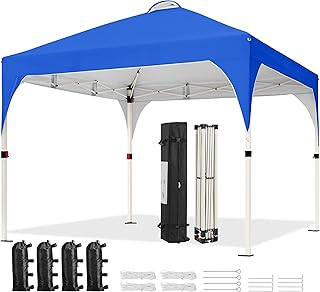
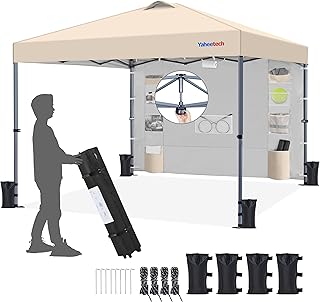
Pop-up gazebos provide maximum convenience and portability for events requiring quick setup and removal. These lightweight structures excel at informal gatherings, market stalls, and backup weather protection whilst offering limited durability and weather resistance compared to permanent options. Understanding pop-up limitations and advantages helps determine appropriate applications whilst managing expectations for performance and longevity.
Frame tents offer superior weather protection and professional appearance for formal events requiring reliable shelter and elegant presentation. These semi-permanent structures provide excellent wind resistance and water protection whilst maintaining attractive aesthetics suitable for weddings, corporate events, and upscale gatherings. Frame tent selection requires understanding of setup requirements and structural capabilities.
Pavilion-style gazebos provide open-sided shelter that maximises airflow and visual connection with surroundings whilst offering overhead protection from sun and rain. These structures work particularly well for outdoor dining, entertainment areas, and social gatherings where open feeling and environmental connection remain important considerations.
Enclosed gazebos offer maximum weather protection and climate control for events requiring consistent environmental conditions regardless of external weather. These structures enable year-round outdoor entertaining whilst providing enhanced privacy and security for valuable equipment or exclusive gatherings. Understanding enclosed gazebo capabilities helps evaluate applications requiring enhanced environmental control.
Modular gazebo systems enable customised configurations that adapt to specific event requirements whilst maintaining flexibility for future applications. These systems allow expansion, reconfiguration, and specialised layouts that address unique venue constraints or event objectives. Understanding modular capabilities enables optimal space utilisation and enhanced functionality.
Specialty gazebos including bandstands, market stalls, and exhibition structures address specific event applications with tailored features and capabilities. These purpose-built structures often provide superior performance for intended applications whilst offering limited versatility for alternative uses. Understanding specialty options helps identify optimal solutions for demanding applications.
Permanent gazebos offer maximum durability and weather resistance for venues hosting regular events or requiring year-round outdoor capabilities. These structures provide excellent long-term value whilst requiring significant initial investment and installation commitments. Understanding permanent gazebo implications helps evaluate long-term hosting strategies and investment requirements.
Size and Capacity Considerations
Determining appropriate gazebo size requires careful calculation of space requirements that balance guest comfort with practical constraints including budget, venue limitations, and setup requirements. Understanding space allocation principles ensures adequate capacity whilst avoiding oversizing that increases costs and complexity unnecessarily.
Guest capacity calculations must consider intended use patterns, with seated dining requiring approximately 10-12 square feet per guest whilst standing receptions may accommodate guests in 6-8 square feet each. Activity areas including dance floors, buffet stations, and presentation spaces require additional allocation that affects total space requirements. Understanding space standards helps ensure adequate guest comfort and event functionality.
Furniture accommodation affects effective gazebo capacity, with table and chair arrangements requiring significant space allocation that reduces guest capacity compared to standing arrangements. Understanding furniture requirements and layout options helps optimise space utilisation whilst maintaining guest comfort and event functionality.
Circulation space requirements ensure adequate movement areas that prevent bottlenecks and maintain guest comfort throughout the event. Inadequate circulation space can create uncomfortable crowding and reduce event enjoyment whilst limiting access to facilities and amenities. Understanding circulation requirements helps determine appropriate total gazebo size for intended capacity.
Activity zone allocation enables multiple event functions within single gazebo spaces through strategic area designation for dining, entertainment, socialising, and service activities. Understanding zone requirements helps optimise gazebo utilisation whilst maintaining functional separation and guest flow management.
Expansion possibilities enable gazebo enlargement for events requiring additional capacity or enhanced functionality. Modular systems and expandable designs provide flexibility for varying event requirements whilst maintaining cost-effectiveness for typical applications. Understanding expansion options helps future-proof gazebo investments whilst managing initial costs.
Height considerations affect both guest comfort and practical requirements including equipment clearance, lighting installation, and aesthetic proportions. Adequate height ensures comfortable guest experience whilst preventing claustrophobic feelings that can diminish event enjoyment. Understanding height requirements helps select appropriate gazebo specifications whilst considering venue constraints.
Accessibility requirements ensure compliance with regulations and accommodate guests with mobility limitations through appropriate entrance design, internal space allocation, and barrier-free access. Understanding accessibility implications helps ensure inclusive event planning whilst maintaining regulatory compliance and guest safety.
Weather Protection and Seasonal Considerations
British weather demands gazebos that provide reliable protection from rain, wind, and temperature extremes whilst maintaining event functionality and guest comfort under challenging conditions. Understanding weather protection requirements enables appropriate gazebo selection and accessory planning that ensures event success regardless of conditions.
Waterproofing capabilities represent the most critical weather protection consideration for UK events, with gazebos requiring effective rain protection that prevents interior dampness and maintains guest comfort. Understanding waterproofing technologies and performance standards helps select gazebos that provide reliable protection whilst maintaining breathability and condensation control.
Wind resistance determines gazebo stability and safety under challenging conditions, with proper anchoring and structural design preventing dangerous failure whilst maintaining guest safety. Understanding wind loading requirements and resistance capabilities helps select appropriate gazebos whilst implementing proper installation and safety measures.
People Also Look For:
- VOUNOT 3m x 3m Pop Up Heavy Duty Gazebo with Sides, Central Lock System & 4 Weight Bags & Carry Bag, Marquee Garden Party Tent Out...
- Gazebo with sides 3m x 3m, Pop Up Gazebo, Waterproof, Winterproof with 420D Oxford, UV Protection 50+, with 4 Side Panels and 4 Sa...
- MAXIMUS HEAVY DUTY POP UP GAZEBO 3m x 3m COMMERCIAL MARKET STALL WITH 4 WEIGHT BAGS (4 Walls, Grey)
- Yaheetech Pop Up Gazebo, 3x3m Garden Instant Shelter Waterproof Garden Patio Canopy with 4 Sandbags, 4 Ropes & 12 Stakes, Wheeled ...
- Yaheetech 3x3M Garden Pop-up Gazebo, Commercial Shade Shelter w/ 2 Integrated Wheels for Mobility, Waterproof & UV Resistant Awnin...
Temperature control through ventilation, heating, and cooling options enables comfortable guest experience regardless of seasonal conditions. Understanding climate control options helps select gazebos that accommodate seasonal requirements whilst maintaining energy efficiency and guest comfort throughout events.
Seasonal adaptability enables gazebo use throughout the year through appropriate accessories and modifications that address changing weather conditions. Understanding seasonal requirements helps select versatile gazebos that provide year-round value whilst accommodating varying event needs and weather challenges.
UV protection becomes important for summer events requiring sun protection whilst maintaining open, airy atmosphere that prevents overheating and discomfort. Understanding UV protection options helps select appropriate gazebo features whilst ensuring guest comfort during extended outdoor exposure.
Drainage considerations prevent water accumulation that can damage gazebo structures and create safety hazards for guests. Understanding drainage requirements helps select appropriate gazebo designs whilst implementing proper site preparation and water management systems.
Snow load capabilities enable winter event hosting through appropriate structural design that prevents collapse and maintains safety under snow accumulation. Understanding snow load requirements helps select gazebos suitable for year-round use whilst ensuring structural adequacy and guest safety.
Style and Aesthetic Considerations
Gazebo appearance significantly influences event atmosphere and guest experience, making aesthetic considerations important factors in selection decisions. Understanding style options and their applications helps select gazebos that enhance rather than detract from event objectives whilst maintaining appropriate visual harmony with venue settings.
Traditional styles including Victorian and Edwardian designs provide classic elegance suitable for formal events requiring sophisticated appearance and heritage charm. These styles work particularly well for weddings, garden parties, and upscale gatherings where traditional aesthetics enhance event atmosphere. Understanding traditional style implications helps evaluate appropriateness for specific event objectives.
Contemporary designs offer clean lines and modern aesthetics suitable for corporate events, contemporary weddings, and minimalist gatherings where sleek appearance and modern functionality take precedence. These styles often incorporate advanced materials and innovative features whilst maintaining visual sophistication appropriate for discerning audiences.
Rustic styles including timber frame and country designs provide casual charm suitable for informal gatherings, farm events, and outdoor celebrations where relaxed atmosphere and natural materials enhance event character. Understanding rustic style applications helps evaluate appropriateness for specific event themes and audience expectations.
Colour coordination enables gazebo integration with event themes and venue aesthetics whilst maintaining visual harmony and enhanced photographic appeal. Understanding colour implications helps select gazebo options that complement rather than compete with event decorations and venue characteristics.
Decorative possibilities including fabric draping, lighting integration, and floral arrangements enable gazebo customisation that enhances event atmosphere whilst maintaining structural integrity and functionality. Understanding decoration options helps evaluate gazebo suitability for specific aesthetic objectives and enhancement possibilities.
Scale proportions ensure gazebo size and appearance remain appropriate for venue settings whilst maintaining visual balance and avoiding overwhelming or underwhelming effects. Understanding scale implications helps select gazebos that enhance rather than compromise venue aesthetics and guest experience.
Architectural compatibility ensures gazebo style harmonises with existing venue buildings and landscape features whilst maintaining visual consistency and enhanced overall appeal. Understanding architectural considerations helps select gazebos that complement rather than conflict with venue characteristics and planning requirements.
Budget Planning and Cost Considerations
Comprehensive budget planning encompasses not only initial gazebo costs but also accessories, installation, maintenance, and potential rental fees that affect total event expenses. Understanding cost implications helps identify realistic options whilst avoiding budget overruns that can compromise event success or financial objectives.
Purchase versus rental decisions depend on intended use frequency, storage capabilities, and long-term hosting plans that affect cost-effectiveness and practical considerations. Understanding rental implications helps evaluate short-term versus long-term hosting strategies whilst managing capital investment and ongoing costs.
Quality versus price considerations require balancing initial investment with expected performance and longevity that affect total cost of ownership. Understanding quality implications helps avoid false economy decisions that result in poor performance or premature replacement whilst managing budget constraints effectively.
Hidden costs including delivery, setup, anchoring, and removal services can significantly increase total gazebo expenses beyond initial purchase or rental prices. Understanding hidden cost implications helps develop realistic budgets whilst avoiding unexpected expenses that can compromise event finances.
Accessory costs including flooring, lighting, heating, and decorative elements can exceed gazebo costs whilst providing essential functionality and aesthetic enhancement. Understanding accessory requirements helps develop comprehensive budgets whilst prioritising essential features and optional enhancements.
Insurance requirements may affect gazebo selection and costs through liability coverage, property protection, and safety compliance that influence total event expenses. Understanding insurance implications helps ensure adequate protection whilst managing risk exposure and regulatory compliance.
Financing options including rental-purchase agreements, seasonal contracts, and bulk purchasing arrangements can affect gazebo accessibility and cost-effectiveness for regular users. Understanding financing alternatives helps manage cash flow whilst accessing appropriate gazebo solutions for specific requirements.
Value engineering techniques enable cost optimisation through feature prioritisation, alternative material selection, and specification adjustment that maintains essential functionality whilst reducing total costs. Understanding value engineering helps maximise budget effectiveness whilst maintaining event objectives and quality standards.
Installation and Setup Requirements
Understanding installation requirements enables proper planning and resource allocation that ensures successful gazebo deployment whilst avoiding setup complications that can delay or compromise event success. Different gazebo types present varying installation challenges and requirements that affect both timing and resource needs.
Site preparation requirements including ground levelling, drainage improvement, and utility access can significantly affect installation complexity and costs. Understanding site preparation needs helps develop realistic installation schedules whilst identifying potential challenges that require advance planning and resource allocation.
Foundation requirements vary significantly between gazebo types, with permanent installations requiring substantial foundations whilst temporary structures may need only minimal ground preparation. Understanding foundation implications helps evaluate installation feasibility whilst ensuring adequate structural support and safety margins.
Assembly complexity affects both installation time and skill requirements, with some gazebos requiring professional installation whilst others enable DIY assembly. Understanding assembly requirements helps plan installation schedules whilst ensuring adequate expertise and resources for successful completion.
Tool and equipment requirements including lifting equipment, power tools, and specialised hardware can affect installation costs and complexity. Understanding equipment needs helps develop realistic installation budgets whilst ensuring access to necessary resources for successful assembly.
Anchoring systems provide essential stability and safety whilst preventing wind damage and structural failure that can create dangerous conditions. Understanding anchoring requirements helps select appropriate systems whilst ensuring adequate installation and safety margins for expected conditions.
Utility connections including electrical, water, and drainage services enable enhanced functionality whilst requiring careful planning and professional installation. Understanding utility requirements helps develop comprehensive installation plans whilst ensuring safety and regulatory compliance.
Dismantling procedures affect event conclusion and site restoration whilst influencing rental returns and storage requirements. Understanding dismantling implications helps plan event logistics whilst ensuring proper equipment handling and site restoration.
Safety and Regulatory Compliance
Safety considerations encompass structural integrity, fire safety, electrical safety, and emergency access that affect both legal compliance and guest protection. Understanding safety requirements helps select appropriate gazebos whilst ensuring regulatory compliance and risk management throughout events.
Structural safety requires adequate design margins, proper installation, and regular inspection that prevent collapse and ensure guest protection under expected loading conditions. Understanding structural requirements helps select appropriate gazebos whilst implementing proper installation and monitoring procedures.
Fire safety considerations include material selection, escape route planning, and fire prevention measures that protect guests whilst maintaining regulatory compliance. Understanding fire safety requirements helps select appropriate gazebos whilst implementing proper safety measures and emergency procedures.
Electrical safety encompasses proper wiring, grounding, and protection systems that prevent electrical hazards whilst enabling safe equipment operation. Understanding electrical requirements helps plan power systems whilst ensuring professional installation and safety compliance.
Emergency access requirements ensure adequate evacuation routes and emergency service access that protect guest safety whilst maintaining regulatory compliance. Understanding emergency access implications helps plan gazebo placement and configuration whilst ensuring adequate safety measures.
Regulatory compliance requirements vary by location and event type, affecting permits, inspections, and documentation that influence gazebo selection and installation procedures. Understanding regulatory implications helps ensure compliance whilst avoiding legal complications and enforcement actions.
Insurance requirements may affect gazebo selection through safety standards, installation requirements, and liability coverage that influence both costs and compliance obligations. Understanding insurance implications helps ensure adequate protection whilst managing risk exposure and regulatory requirements.
Professional consultation may prove necessary for complex installations or regulatory compliance issues that require specialised expertise. Understanding professional requirements helps identify appropriate resources whilst ensuring safety and compliance throughout gazebo selection and installation processes.
Maintenance and Storage Considerations
Long-term gazebo ownership requires understanding maintenance requirements and storage needs that affect both performance and longevity. Proper maintenance ensures continued safety and appearance whilst preventing premature replacement and excessive repair costs.
Cleaning requirements vary significantly between gazebo materials and usage patterns, with some requiring regular maintenance whilst others need only occasional attention. Understanding cleaning implications helps develop realistic maintenance schedules whilst ensuring continued appearance and performance.
Inspection schedules enable early problem identification and preventive maintenance that extends gazebo life whilst ensuring continued safety and performance. Understanding inspection requirements helps develop systematic maintenance programmes whilst preventing costly repairs and safety hazards.
Repair procedures for common problems including fabric damage, structural wear, and hardware failure help maintain gazebo functionality whilst managing maintenance costs. Understanding repair implications helps evaluate maintenance requirements whilst ensuring continued safe operation.
Storage requirements affect gazebo practicality for users with limited space or seasonal usage patterns that require secure, appropriate storage solutions. Understanding storage implications helps evaluate gazebo suitability whilst ensuring proper protection during storage periods.
Seasonal preparation including winterisation, storm protection, and equipment storage helps protect gazebos during adverse conditions whilst ensuring readiness for future use. Understanding seasonal requirements helps develop appropriate maintenance schedules whilst protecting gazebo investments.
Professional services including specialist cleaning, repairs, and modifications may prove necessary for complex gazebos or demanding applications. Understanding professional service requirements helps plan maintenance budgets whilst ensuring access to appropriate expertise for ongoing gazebo care.
Replacement planning helps identify component life expectancy and replacement requirements that affect long-term costs and performance. Understanding replacement implications helps develop realistic budgets whilst ensuring continued gazebo functionality and safety.
Future Trends and Innovations
Emerging technologies and changing requirements are driving gazebo innovations that offer enhanced functionality, sustainability, and user experience whilst addressing evolving event needs and environmental considerations. Understanding future trends helps ensure forward-thinking gazebo selection that provides long-term value and adaptability.
Smart gazebos incorporating sensors, automation, and remote control capabilities offer enhanced functionality and user convenience whilst enabling advanced monitoring and control systems. Understanding smart gazebo capabilities helps evaluate future-ready options whilst considering practical implementation requirements.
Sustainable materials and manufacturing processes address environmental concerns whilst maintaining performance and durability standards. Understanding sustainability trends helps select environmentally responsible gazebos whilst supporting sustainable event practices and environmental stewardship.
Modular systems and customisation options enable personalised solutions that adapt to specific requirements whilst maintaining cost-effectiveness and flexibility. Understanding modular trends helps identify adaptable gazebo systems whilst ensuring future modification and expansion possibilities.
Advanced materials including high-performance fabrics, composites, and smart coatings offer enhanced performance characteristics whilst maintaining durability and appearance. Understanding material innovations helps access advanced performance capabilities whilst ensuring appropriate application and cost-effectiveness.
Digital integration including booking systems, monitoring capabilities, and user interfaces enhances gazebo functionality whilst improving user experience and operational efficiency. Understanding digital trends helps identify enhanced gazebo capabilities whilst considering practical implementation and support requirements.
Lightweight construction techniques enable easier installation and transportation whilst maintaining structural adequacy and safety standards. Understanding lightweight trends helps identify more convenient gazebo options whilst ensuring adequate performance and safety margins.
Energy efficiency improvements including LED lighting, solar power, and efficient heating systems reduce operational costs whilst supporting environmental sustainability. Understanding energy trends helps select efficient gazebo systems whilst reducing operational costs and environmental impact.
Summary
Choosing the perfect gazebo for outdoor events requires comprehensive consideration of event requirements, gazebo types, size specifications, weather protection needs, aesthetic preferences, budget constraints, installation requirements, safety considerations, maintenance needs, and future trends. Success depends on matching gazebo characteristics to specific event objectives whilst balancing practical constraints and performance requirements.
Understanding event requirements including type, capacity, duration, and venue characteristics provides the foundation for informed gazebo selection that ensures appropriate functionality and guest experience. Comprehensive event assessment prevents costly mistakes whilst identifying essential features and performance requirements that guide selection decisions.
Gazebo types ranging from pop-up convenience to permanent installations offer distinct advantages for different applications, making understanding of available options essential for optimal selection. Each type presents unique benefits and limitations that affect suitability for specific events and usage patterns.
Size and capacity considerations require careful calculation of space requirements that balance guest comfort with practical constraints including budget, venue limitations, and setup requirements. Proper sizing ensures adequate guest accommodation whilst avoiding oversizing that increases costs unnecessarily.
Weather protection capabilities represent critical considerations for UK events, requiring gazebos that provide reliable protection from rain, wind, and temperature extremes whilst maintaining event functionality and guest comfort under challenging conditions. Understanding protection requirements enables appropriate selection and accessory planning.
Style and aesthetic considerations significantly influence event atmosphere and guest experience, making appearance an important factor in selection decisions. Understanding style options and their applications helps select gazebos that enhance rather than detract from event objectives whilst maintaining visual harmony with venue settings.
Budget planning must encompass total costs including accessories, installation, maintenance, and potential rental fees rather than just initial gazebo costs. Comprehensive budget planning helps identify realistic options whilst avoiding overruns that can compromise event success or financial objectives.
Installation and setup requirements vary significantly between gazebo types, affecting both timing and resource needs for successful deployment. Understanding installation implications enables proper planning and resource allocation that ensures successful gazebo deployment whilst avoiding setup complications.
Safety and regulatory compliance encompass structural integrity, fire safety, electrical safety, and emergency access that affect both legal compliance and guest protection. Understanding safety requirements helps select appropriate gazebos whilst ensuring regulatory compliance and risk management throughout events.
Maintenance and storage considerations affect long-term gazebo ownership through cleaning requirements, inspection schedules, repair procedures, and storage needs that influence both performance and longevity. Understanding maintenance implications helps evaluate total ownership requirements whilst ensuring continued safety and performance.
Future trends including smart technologies, sustainable materials, modular systems, and digital integration offer enhanced functionality and environmental responsibility whilst addressing evolving event needs. Understanding emerging trends helps ensure forward-thinking gazebo selection that provides long-term value and adaptability for changing requirements.