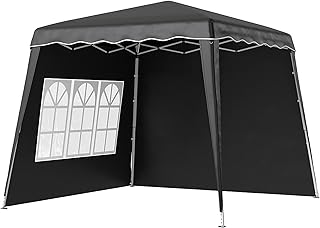
Maintenance Tips to Keep Your Gazebo Looking New All Year Round
A well-maintained gazebo serves as the crown jewel of any outdoor space, providing years of enjoyment whilst enhancing property value and aesthetic appeal. However, constant exposure to Britain's unpredictable weather patterns, seasonal debris, and general wear requires systematic maintenance to preserve both functionality and appearance. The difference between a gazebo that looks pristine after a decade and one that appears worn within just a few years often lies in the consistency and quality of care it receives.
Proper maintenance extends far beyond occasional cleaning sessions. It encompasses preventive measures, seasonal preparations, material-specific care techniques, and early intervention strategies that address minor issues before they become costly repairs. Understanding your gazebo's construction materials, environmental challenges, and maintenance requirements enables you to develop a comprehensive care routine that keeps your investment looking spectacular throughout its lifespan.
Understanding Your Gazebo's Construction Materials
Effective maintenance begins with thoroughly understanding the materials used in your gazebo's construction, as each requires specific care techniques and products. Wooden gazebos demand different attention than metal structures, whilst fabric components present unique challenges distinct from rigid roofing materials. Mismatched maintenance approaches often cause more harm than neglect, making material identification crucial for long-term success.
Wooden gazebos typically utilise cedar, pine, or pressure-treated timber, each possessing distinct characteristics affecting maintenance requirements. Cedar's natural oils provide inherent protection against insects and moisture, but these oils gradually diminish over time, requiring restoration through specialised treatments. Pine offers excellent versatility for staining and painting but lacks natural resistance to moisture and pests, demanding regular protective applications.
Pressure-treated timber combines affordability with enhanced durability through chemical treatment, though the process can leave surfaces that require careful preparation before applying finishes. Understanding your specific timber type enables selection of appropriate cleaning products, protective treatments, and refinishing schedules that maximise longevity whilst preserving natural beauty.
Metal gazebos commonly feature aluminium, steel, or wrought iron construction, each presenting unique maintenance challenges. Aluminium resists corrosion naturally but can develop oxidation that dulls appearance over time. Steel requires vigilant rust prevention and treatment, whilst wrought iron demands regular painting schedules to maintain protection against moisture infiltration.
Fabric elements, increasingly common in modern gazebo designs, include canvas, vinyl, and technical textiles that each respond differently to cleaning agents and weather exposure. Canvas requires gentle treatment to prevent shrinkage and colour fading, vinyl can withstand more aggressive cleaning but may crack in cold weather, whilst technical fabrics often incorporate specialised coatings that demand specific care protocols.
Seasonal Maintenance Strategies
Seasonal changes present distinct challenges requiring tailored maintenance approaches that prepare your gazebo for upcoming weather conditions whilst addressing damage from previous seasons. Developing systematic seasonal routines ensures comprehensive care whilst distributing maintenance tasks throughout the year, preventing overwhelming spring preparation sessions.
Spring maintenance focuses on assessing winter damage, preparing structures for increased use, and implementing protective measures against summer conditions. This season presents the ideal opportunity for thorough cleaning, as moderate temperatures and lower humidity levels facilitate effective cleaning and drying processes. Begin with comprehensive inspections, documenting any damage or wear requiring attention before the busy summer season.
Deep cleaning during spring removes accumulated dirt, moss, and debris that promote deterioration whilst harbouring pests and moisture. Power washing can prove effective for sturdy structures, but requires proper technique to avoid forcing water into joints and connections. Lower pressure settings and appropriate cleaning agents prevent surface damage whilst removing embedded contaminants.
Summer maintenance emphasises protection against UV damage, heat stress, and increased usage wear. Regular inspections during this season identify problems early, whilst lighter cleaning sessions remove pollen, dust, and organic matter that accumulates rapidly during warm weather. Fabric treatments and protective applications work most effectively during dry, stable weather conditions common in summer.
Autumn preparation involves comprehensive weatherproofing, structural reinforcement, and protection against harsh winter conditions. This season demands attention to water drainage, joint sealing, and defensive measures against wind damage. Removing fallen leaves and organic debris prevents moisture retention and decomposition that can cause staining and structural damage.
Winter maintenance focuses on monitoring structural integrity, preventing ice damage, and maintaining accessibility for emergency repairs. Regular snow removal prevents excessive loading, whilst ice prevention measures protect delicate components and facilitate continued use during milder periods. Indoor storage of removable components during harsh weather extends their lifespan significantly.
Cleaning Techniques and Products
Effective cleaning forms the foundation of gazebo maintenance, removing contaminants that cause deterioration whilst revealing underlying issues requiring attention. However, aggressive cleaning can damage delicate surfaces, fade colours, and compromised protective coatings, making technique selection crucial for long-term preservation.
Basic cleaning begins with dry removal of loose debris, cobwebs, and surface dirt using soft brushes, cloths, and vacuum cleaners. This preliminary step prevents grinding abrasive particles into surfaces during subsequent wet cleaning phases. Pay particular attention to joints, corners, and decorative elements where debris accumulates and moisture can penetrate.
Water-based cleaning utilises gentle detergents and controlled water application to remove embedded dirt and organic stains. Warm water enhances cleaning effectiveness whilst remaining safe for most gazebo materials. Work from top to bottom, allowing cleaning solutions adequate dwell time whilst preventing runoff from contaminating cleaned areas.
Specialised cleaning products address specific challenges including mould removal, metal oxidation, and fabric staining. Mould and mildew cleaners contain antimicrobial agents that eliminate growth whilst preventing future colonisation. Metal cleaners remove oxidation and corrosion whilst preparing surfaces for protective treatments. Fabric cleaners address organic stains and odours whilst maintaining material integrity.
Pressure washing offers efficient cleaning for sturdy structures but requires careful technique to avoid damage. Use fan-pattern nozzles rather than concentrated streams, maintain adequate distance from surfaces, and progress systematically to ensure uniform cleaning. Never pressure wash delicate materials, decorative elements, or areas with existing damage.
Rinse thoroughly after cleaning to remove all residual cleaning agents that could attract dirt or cause chemical reactions. Allow complete drying before applying protective treatments or storing seasonal components. Document cleaning dates and products used to track effectiveness and identify optimal maintenance intervals.
Protective Treatments and Finishes
Protective treatments create barriers against moisture, UV radiation, and environmental contaminants that cause deterioration and appearance degradation. Selecting appropriate treatments for your gazebo's materials and environmental conditions significantly extends lifespan whilst maintaining attractive appearance.
Wood preservatives penetrate timber fibres, providing internal protection against moisture, insects, and fungi. Clear preservatives maintain natural wood appearance whilst offering substantial protection. Pigmented versions provide enhanced UV protection through colour filtering whilst still allowing wood grain visibility. Choose preservatives specifically formulated for your timber type and environmental conditions.
Stains combine protection with aesthetic enhancement, offering extensive colour options whilst preserving wood texture and grain patterns. Semi-transparent stains provide moderate protection and natural appearance, whilst solid stains offer maximum protection through complete opacity. Application technique significantly affects appearance and durability, requiring careful preparation and systematic coverage.
Paints provide maximum protection for wooden gazebos through complete surface sealing, though they obscure natural wood beauty. Modern exterior paints offer exceptional durability and colour retention whilst accommodating wood movement through flexible formulations. Primer application ensures proper adhesion and prevents bleed-through of natural wood compounds.
Metal treatments address corrosion prevention and aesthetic maintenance through various approaches. Rust converters neutralise existing corrosion whilst creating protective barriers. Specialised metal primers provide excellent adhesion for topcoat applications. Regular waxing of aluminium components prevents oxidation whilst maintaining lustrous appearance.
Fabric treatments enhance water resistance, UV protection, and soil resistance through specialised coatings. Waterproofing treatments restore original water-shedding properties whilst maintaining fabric breathability. UV protectants prevent colour fading and material degradation during intense sun exposure. Apply treatments during dry conditions following manufacturer instructions precisely.
People Also Look For:
- Coleman 10 x 10 Event Shell Sundoor
- VOUNOT® 3mx6m Pop Up Gazebo with 6 Removable Sidewalls & 6 Weight Bags, Carry Bag Included - Marquee Garden Party Tent Outdoor, W...
- Event Gazebo with 4 Side Panels, Outdoor Waterproof Party Tent Marquee with Coated Steel Frame (Grey, 3X3M)
- PE Garden Gazebo Marquee Canopy Party Tent 3 x 3m 120g Waterproof Outdoor Gazebo (Blue)
- Bonnlo Pop Up Gazebo with Sides and Vent, Easy Setup Instant Canopy, Folding Garden Party Tent, Portable Event Shelter, Grey 3m x ...
Structural Integrity Maintenance
Maintaining structural integrity ensures safety whilst preventing minor issues from developing into major repairs requiring professional intervention. Regular inspection and maintenance of structural components provides early warning of potential problems whilst maintaining the gazebo's load-bearing capacity and stability.
Foundation maintenance begins with ensuring proper drainage around gazebo bases to prevent water accumulation that causes settling and structural movement. Clear debris from drainage systems, adjust grading to promote water flow away from foundations, and repair any cracks or settling issues promptly. Concrete foundations require annual inspection for cracks and joint separation.
Frame connections demand regular inspection and maintenance to ensure continued structural integrity. Wooden joints may require re-tightening of hardware, application of wood preservative, or replacement of damaged fasteners. Metal frame connections need lubrication, corrosion treatment, and hardware inspection to prevent failure during wind loading.
Roof system maintenance prevents water infiltration that can cause extensive damage to structural components and interior finishes. Clean gutters and downspouts regularly, repair damaged roofing material promptly, and ensure proper ventilation to prevent condensation buildup. Inspect flashing and sealants annually, replacing deteriorated components before leaks develop.
Hardware maintenance includes inspection, cleaning, and lubrication of all moving parts, latches, and connection points. Stainless steel hardware resists corrosion but requires cleaning to maintain appearance. Galvanised hardware needs regular inspection for coating breakdown and rust formation. Replace corroded hardware immediately to prevent structural compromise.
Load-bearing assessments become particularly important for gazebos supporting climbing plants, heavy decorative elements, or substantial roof loads. Monitor for signs of stress including sagging, cracking, or connection loosening. Distribute loads evenly and consider professional assessment for significant modifications or if structural concerns develop.
Fabric and Soft Furnishing Care
Fabric components require specialised care to maintain appearance, functionality, and longevity whilst dealing with constant exposure to moisture, UV radiation, and soiling. Understanding fabric types and their specific requirements enables effective maintenance that preserves both protective function and aesthetic appeal.
Canvas maintenance involves regular cleaning to prevent embedded dirt and organic matter from causing permanent staining. Use soft brushes and mild detergents to avoid damaging fabric integrity. Rinse thoroughly to remove all soap residue that could attract dirt or cause water retention. Allow complete drying before storage to prevent mould and mildew development.
Vinyl cleaning requires gentle approaches despite the material's durability. Harsh chemicals can cause cracking and colour fading, whilst excessive heat can lead to shrinkage and distortion. Use cool water and appropriate vinyl cleaners, working in small sections to ensure even treatment. Protect vinyl from sharp objects and extreme temperature fluctuations.
Waterproofing treatments restore fabric protection against moisture infiltration whilst maintaining breathability essential for preventing condensation problems. Apply treatments during dry conditions, ensuring complete coverage whilst avoiding over-application that can affect fabric flexibility. Test treatments on inconspicuous areas first to ensure compatibility.
Cushion and upholstery maintenance requires regular cleaning to prevent staining and odour development. Remove covers when possible for thorough machine washing following manufacturer instructions. For fixed upholstery, use appropriate cleaning products and techniques based on fabric type. Provide adequate ventilation during drying to prevent mould development.
Storage protocols significantly affect fabric longevity. Clean all fabric components thoroughly before storage, ensure complete drying, and store in breathable containers that prevent condensation whilst excluding pests. Avoid folding fabric tightly, as creases can become permanent and create stress points that promote tearing.
Pest Prevention and Control
Pest management protects both the gazebo structure and user enjoyment through comprehensive approaches that address various insects, rodents, and other wildlife that can cause damage or create uncomfortable conditions. Preventive measures prove more effective and less disruptive than reactive pest control treatments.
Insect prevention begins with eliminating breeding sites and food sources that attract problematic species. Remove standing water from containers, gutters, and low spots where mosquitoes breed. Clean up food debris promptly, as this attracts wasps, ants, and flies. Seal cracks and gaps where insects can establish nests or overwinter.
Wood-boring insects pose particular threats to wooden gazebos, with carpenter bees, beetles, and termites causing significant structural damage. Regular inspection for boring holes, sawdust accumulation, and insect activity enables early intervention. Apply appropriate wood treatments that repel insects whilst maintaining structural integrity.
Spider control focuses on removing webs regularly and eliminating their food sources through comprehensive pest management. Spiders actually provide beneficial insect control, but excessive populations can create unsightly webs and cause discomfort for users. Regular cleaning and habitat modification usually provide adequate control without chemical treatments.
Rodent exclusion prevents damage to fabric components, electrical systems, and stored materials. Seal entry points with appropriate materials, remove food sources, and maintain clean surroundings that discourage rodent activity. Avoid poison baits near areas where family members and pets spend time, instead focusing on exclusion and habitat modification.
Bird deterrent systems prevent nesting and roosting that can create sanitation issues and structural damage. Install appropriate barriers, spikes, or netting that discourage bird activity whilst maintaining gazebo aesthetics. Regular inspection and maintenance of deterrent systems ensures continued effectiveness throughout nesting seasons.
Winter Protection Strategies
Winter weather presents the greatest challenges for gazebo maintenance, with freezing temperatures, snow loads, and ice formation potentially causing significant damage. Comprehensive winter protection strategies minimise risk whilst maintaining some gazebo functionality during milder periods.
Structural preparation involves reinforcing connections, removing vulnerable components, and implementing protective measures against snow loading. Inspect all hardware and connections, tightening loose elements and replacing worn components before harsh weather arrives. Consider temporary bracing for gazebos in exposed locations subject to high wind loads.
Snow removal protocols prevent excessive loading that can cause structural collapse or permanent deformation. Use appropriate tools that won't damage roofing materials, working systematically to maintain balanced loading during removal. Avoid allowing snow to accumulate beyond design limits, particularly on flat or low-pitched roofs.
Ice prevention measures protect delicate components and maintain accessibility during winter months. Apply appropriate de-icing products that won't damage materials, focusing on high-traffic areas and drainage systems. Avoid using salt or harsh chemicals that can corrode metal components or damage surrounding vegetation.
Fabric protection during winter involves either removal and storage or implementation of protective measures for permanent installations. Remove and store removable fabric components in climate-controlled environments. For permanent fabric installations, ensure adequate support to prevent sagging under snow loads and provide drainage to prevent ice formation.
Heating considerations for year-round use require careful planning to prevent fire hazards and material damage. Use appropriate heating systems designed for outdoor use, maintain adequate ventilation, and ensure proper clearances from combustible materials. Consider the impact of heating on material expansion and contraction.
Repair Techniques and When to Seek Professional Help
Timely repairs prevent minor issues from developing into major problems requiring expensive professional intervention. Understanding which repairs can be handled safely by homeowners and which require professional expertise ensures both safety and cost-effectiveness in gazebo maintenance.
Minor wood repairs include filling small holes, repairing loose boards, and addressing surface damage from weather or impact. Wood filler products provide effective repairs for small voids, whilst damaged boards may require replacement or reinforcement. Sand repaired areas smooth and apply appropriate finishes to match surrounding material.
Metal repair techniques address corrosion, loose connections, and minor damage from impact or weather exposure. Remove rust using appropriate methods, treat affected areas with rust converters, and apply protective coatings to prevent recurrence. Tighten loose connections and replace damaged hardware promptly to prevent further deterioration.
Fabric repairs range from simple patching to complete panel replacement depending on damage extent and location. Small tears can often be repaired with appropriate patches and adhesives designed for outdoor fabric use. Large tears or extensive damage may require professional repair or replacement to maintain weather protection and appearance.
Structural repairs involving load-bearing components, foundation issues, or extensive damage require professional assessment and intervention. Signs requiring professional help include sagging, cracking, connection failure, or foundation movement. Attempting structural repairs without proper expertise can create safety hazards and void warranties.
Electrical repairs must always be handled by qualified electricians to ensure safety and code compliance. This includes any wiring, lighting, or electrical accessory installation or repair. Improper electrical work can create fire hazards, electric shock risks, and insurance complications.
Seasonal Inspection Checklists
Systematic inspection routines identify maintenance needs early whilst ensuring comprehensive coverage of all gazebo components. Developing seasonal checklists ensures nothing is overlooked whilst providing documentation of maintenance history and component condition.
Spring inspection focuses on winter damage assessment and preparation for increased use. Check structural components for damage from weather or settling, inspect roofing for leaks or damage, examine fabric components for tears or deterioration, and test all hardware for tightness and corrosion. Document any issues requiring attention.
Summer inspection emphasises UV damage, heat stress effects, and usage wear assessment. Look for fading, cracking, or brittleness in materials exposed to intense sunlight. Check for loose hardware from thermal expansion and contraction cycles. Assess high-traffic areas for wear patterns requiring attention.
Autumn inspection prepares for winter weather whilst addressing summer damage. Inspect and clean drainage systems, check weatherproofing integrity, assess structural stability, and implement protective measures for harsh weather. Focus on preventing water infiltration and ice damage.
Winter inspection monitors ongoing condition and addresses immediate hazards. Check for snow load effects, ice damage, and structural stress from wind loading. Ensure heating systems function properly and safely. Monitor for pest activity in stored components.
Documentation systems track inspection results, maintenance performed, and component condition over time. This information proves valuable for warranty claims, insurance purposes, and maintenance planning. Digital photos provide excellent documentation of condition and repair quality.
Cost-Effective Maintenance Planning
Strategic maintenance planning balances preservation effectiveness with budget constraints through careful timing, product selection, and task prioritisation. Understanding maintenance costs and benefits enables informed decisions that maximise gazebo lifespan whilst minimising ongoing expenses.
Preventive maintenance typically costs significantly less than reactive repairs, making regular care routines excellent investments in long-term gazebo preservation. Catching problems early reduces repair complexity and expense whilst preventing secondary damage that increases overall costs.
Bulk purchasing of maintenance supplies reduces per-unit costs whilst ensuring availability when needed. Coordinate maintenance schedules with other outdoor structures to maximise efficiency and justify bulk purchases. Store materials properly to prevent deterioration and maintain effectiveness.
Seasonal timing affects both material costs and effectiveness. Purchase supplies during off-peak periods when prices are lower and availability is better. Schedule maintenance during optimal weather conditions to ensure best results and prevent weather-related delays.
DIY versus professional service decisions should consider safety, warranty implications, and time availability alongside direct costs. Simple maintenance tasks usually provide excellent DIY value, whilst complex repairs may justify professional service through superior results and warranty protection.
Long-term planning considers gazebo lifespan, replacement costs, and changing needs when making maintenance decisions. Extensive repairs near the end of expected lifespan may not prove cost-effective compared to replacement planning. Factor in property value enhancement and continued enjoyment when evaluating maintenance investments.
Environmental Considerations
Environmentally responsible maintenance practices protect local ecosystems whilst often providing cost savings through reduced chemical use and waste generation. Understanding environmental impacts enables informed decisions that balance maintenance effectiveness with ecological stewardship.
Chemical selection significantly affects environmental impact through runoff, air quality, and disposal considerations. Choose products with minimal environmental impact when effectiveness remains adequate. Avoid overuse of treatments that can accumulate in soil and water systems.
Water conservation during cleaning and maintenance reduces consumption whilst preventing contaminated runoff. Use efficient cleaning methods that minimise water usage, capture and treat runoff where possible, and time activities to utilise natural rainfall for rinsing.
Waste minimisation involves proper disposal of maintenance materials, recycling where possible, and extending material lifespan through appropriate care. Dispose of chemicals and contaminated materials according to local regulations. Donate or recycle components that retain value for other uses.
Natural alternatives to chemical treatments often provide effective results with reduced environmental impact. Research eco-friendly products and methods that maintain effectiveness whilst supporting environmental stewardship. Consider integrated pest management approaches that minimise chemical use.
Sustainable practices include energy-efficient maintenance equipment, renewable material selection, and long-term planning that reduces overall environmental impact. These approaches often provide cost savings alongside environmental benefits, making them excellent choices for conscious consumers.
Technology and Modern Maintenance Tools
Modern technology offers sophisticated tools that enhance maintenance effectiveness, reduce labour requirements, and provide better documentation of gazebo condition. Understanding available technologies enables informed decisions about equipment investments and maintenance approaches.
Digital inspection tools including cameras, moisture meters, and structural assessment equipment provide detailed condition information that supports maintenance planning. High-resolution photography documents condition changes over time, whilst moisture meters identify hidden problems before visible damage occurs.
Automated systems for cleaning, monitoring, and protection reduce labour requirements whilst ensuring consistent maintenance quality. Irrigation systems can facilitate regular cleaning, whilst weather monitoring systems provide alerts for conditions requiring protective action.
Material advances in cleaning products, protective treatments, and repair materials offer enhanced performance with reduced environmental impact. Research new products that offer superior results or easier application methods that justify their costs through improved effectiveness or reduced labour requirements.
Information systems help track maintenance schedules, component condition, and cost history through digital platforms that provide reminders and historical analysis. These systems prove particularly valuable for multiple gazebo owners or commercial applications where maintenance complexity increases significantly.
Training resources including online tutorials, manufacturer guidelines, and professional development opportunities enhance maintenance skills and knowledge. Investing in education often provides better returns than expensive equipment through improved technique and problem identification capabilities.
Summary
Maintaining a gazebo's appearance and functionality throughout the year requires systematic attention to cleaning, protective treatments, structural integrity, and seasonal preparation. Understanding the specific materials used in your gazebo's construction enables selection of appropriate maintenance techniques and products that preserve both appearance and durability.
Seasonal maintenance strategies address the unique challenges presented by changing weather conditions, from spring cleaning and summer UV protection to autumn weatherproofing and winter structural support. Regular inspection routines identify problems early, enabling cost-effective repairs before minor issues become major expenses.
Effective cleaning techniques remove contaminants that cause deterioration whilst avoiding damage to delicate surfaces. Protective treatments create barriers against moisture, UV radiation, and environmental contaminants that extend material lifespan significantly. Proper application timing and technique selection ensure optimal results from maintenance efforts.
Structural maintenance ensures safety whilst preventing minor issues from developing into major repairs. Regular inspection and maintenance of foundations, frame connections, hardware, and load-bearing components provides early warning of potential problems whilst maintaining structural integrity.
Fabric and soft furnishing care requires specialised techniques that address moisture, UV exposure, and soiling whilst maintaining functionality and appearance. Proper storage protocols and pest prevention measures significantly extend component lifespan whilst maintaining user comfort and safety.
Cost-effective maintenance planning balances preservation needs with budget constraints through strategic timing, bulk purchasing, and appropriate decisions about DIY versus professional services. Environmental considerations and modern technology offers opportunities for enhanced effectiveness whilst supporting sustainability and reducing long-term costs.