Comparing Different Styles of Gazebos
Comparing Different Styles of Gazebos: Which One Suits Your Space?
A gazebo can transform any outdoor space into a charming retreat, providing shelter, shade, and a focal point for garden entertainment. Whether you're planning intimate dinner parties, seeking a quiet reading nook, or creating a play area for children, choosing the right gazebo style is crucial for maximising both functionality and aesthetic appeal. With numerous designs, materials, and configurations available, selecting the perfect gazebo requires careful consideration of your space, budget, and intended use.
The decision extends far beyond mere appearance. Location, climate, maintenance requirements, and local planning regulations all play vital roles in determining which gazebo style will serve you best. Understanding these factors, alongside the unique characteristics of different gazebo types, will ensure your investment enhances your outdoor living experience for years to come.
Traditional Wooden Gazebos: Timeless Elegance
Wooden gazebos represent the quintessential garden structure, offering natural beauty that complements virtually any landscape design. These permanent fixtures typically feature octagonal or hexagonal shapes, though rectangular and square variants are increasingly popular for contemporary gardens. Cedar, pine, and pressure-treated timber are the most common materials, each offering distinct advantages and considerations.
Cedar gazebos stand out for their natural resistance to insects and decay, making them particularly suitable for Britain's damp climate. The wood's natural oils provide inherent protection whilst developing an attractive silver-grey patina over time. However, cedar commands premium pricing, often doubling the cost of alternatives. Pine offers excellent value, accepting stains and paints beautifully, though it requires regular maintenance to prevent rot and insect damage.
Pressure-treated timber strikes a balance between durability and affordability. Modern treatment processes create wood that withstands moisture and pests effectively, though the chemical treatment may concern environmentally conscious homeowners. Regardless of timber choice, wooden gazebos demand annual maintenance, including cleaning, staining or painting, and hardware inspection.
Installation complexity varies significantly with design ambition. Basic kit gazebos can be erected by competent DIY enthusiasts over a weekend, whilst elaborate custom designs may require professional construction and concrete foundations. Consider ongoing maintenance when budgeting – quality wood preservatives and stains represent recurring expenses, though proper care extends the structure's lifespan considerably.
Wooden gazebos excel in traditional and cottage garden settings, harmonising beautifully with natural plantings and established trees. They're less suitable for ultra-modern landscapes, where their organic appearance might clash with clean geometric lines and contemporary materials.
Metal Gazebos: Strength Meets Style
Metal gazebos offer exceptional durability and lower maintenance requirements, making them increasingly popular amongst busy homeowners. Steel and aluminium dominate the market, each presenting unique benefits and limitations that influence their suitability for different applications and environments.
Steel gazebos provide unmatched strength and wind resistance, crucial considerations in exposed locations or areas prone to severe weather. Powder coating protects against corrosion whilst offering extensive colour choices, from traditional blacks and greens to contemporary whites and greys. However, steel's weight necessitates robust foundations and complicates transportation and assembly.
Aluminium alternatives prioritise portability and corrosion resistance. Marine-grade aluminium withstands coastal salt air that would rapidly degrade steel alternatives, making it ideal for seaside properties. The material's lightweight nature simplifies installation and relocation, though this advantage comes with reduced stability in high winds.
Both materials accommodate diverse architectural styles through thoughtful design. Ornate Victorian-inspired ironwork suits period properties and formal gardens, whilst clean-lined contemporary designs complement modern architecture. Curved elements and decorative panels can soften metal's industrial appearance, creating warmth and visual interest.
Maintenance requirements remain minimal compared to wooden alternatives. Annual cleaning with mild detergent suffices for most situations, though coastal locations may require more frequent attention. Scratched powder coating should be touched up promptly to prevent corrosion, particularly on steel structures.
Consider thermal properties when selecting metal gazebos. Steel and aluminium conduct heat efficiently, potentially creating uncomfortable conditions in direct sunlight. However, this same property enables rapid cooling as temperatures drop, making metal structures pleasant for evening use when wooden alternatives retain daytime heat.
Vinyl and Composite Options: Modern Convenience
Vinyl and composite gazebos represent the latest evolution in outdoor structures, prioritising low maintenance and longevity over traditional aesthetics. These materials resist moisture, insects, and UV degradation that plague natural alternatives, making them increasingly attractive for time-poor homeowners seeking long-term value.
High-quality vinyl gazebos closely mimic wood's appearance whilst eliminating maintenance headaches. Modern manufacturing techniques create realistic grain patterns and colour variations that fool casual observation. White remains the most popular choice, offering clean, bright appearance that suits various architectural styles, though beige, grey, and wood-tone options expand design possibilities.
Composite materials blend recycled wood fibres with polymer binders, creating products that combine wood's appearance with plastic's durability. These eco-friendly alternatives appeal to environmentally conscious consumers whilst offering superior performance in challenging climates. Composite gazebos resist fading, splitting, and warping that affect natural wood, maintaining their appearance with minimal intervention.
Installation typically involves modular components that simplify assembly and reduce labour costs. Lightweight materials enable two-person installation for most designs, though proper foundation preparation remains crucial for stability and longevity. Pre-drilled holes and detailed instructions make composite gazebos accessible to DIY enthusiasts of moderate skill levels.
Limitations include higher initial costs compared to basic wooden alternatives and limited customisation options. Vinyl and composite gazebos rarely accommodate the decorative elements and personalisation that characterise custom wooden structures. Additionally, some homeowners find these materials lack the authentic charm and character of natural alternatives.
These modern materials excel in low-maintenance applications and challenging environments. Coastal properties, areas with intense UV exposure, and locations prone to severe weather benefit from vinyl and composite durability. They're also ideal for rental properties where minimising upkeep costs is paramount.
Pop-Up and Portable Gazebos: Flexibility First
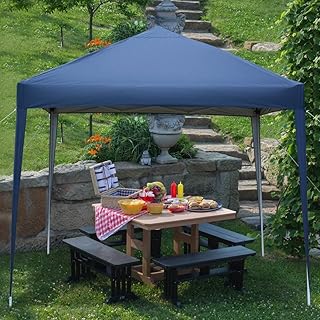
Portable gazebos offer unmatched flexibility for homeowners seeking temporary shelter or those unwilling to commit to permanent installations. These versatile structures serve multiple purposes, from providing shade at outdoor events to creating temporary workspace during garden projects. Modern designs have evolved far beyond basic festival tents, incorporating sophisticated materials and engineering that rival permanent alternatives in many applications.
People Also Look For:
- Neo 3X3M Event Gazebo 4 Side Panels Outdoor Waterproof Garden Party Tent Marquee Canopy Shelter Coated Steel Frame (Grey)
- Yaheetech Pop Up Gazebo 3x3M with 1 Side Panel, Portable Backpack Bag, 4 Sandbags, 4 Ropes & 8 Stakes, Slant Leg, Beige
- Outsunny 2.4 x 2.4m Pop Up Gazebo Canopy Tent with 2 Sidewalls and Carry Bag, Height Adjustable, UV50+ Party Tent Event Shelter fo...
- MasterCanopy Durable Ez Pop-up Gazebo Tent with Roller Bag(3x3M,Black)
- Event Gazebo with 4 Side Panels, Outdoor Waterproof Party Tent Marquee with Coated Steel Frame (Grey, 3X3M)
Pop-up gazebos utilise spring-loaded frames that expand automatically when released from their compact storage configuration. Setup typically requires just minutes and minimal physical effort, making these structures accessible to users of all ages and abilities. However, this convenience comes with compromises in stability and weather resistance compared to permanent installations.
Steel frames dominate the portable market, offering reasonable strength whilst maintaining manageable weight. Powder coating provides corrosion protection, though frame joints and mechanisms represent potential failure points with repeated use. Premium models incorporate reinforced joints and upgraded hardware that extend service life considerably.
Fabric selection significantly impacts performance and longevity. Basic polyester covers suffice for occasional use but degrade rapidly under constant UV exposure. Upgrade to UV-resistant fabrics or vinyl-coated materials for improved durability and weather protection. Some models feature removable sidewalls that transform open gazebos into enclosed spaces during inclement weather.
Consider weight and storage requirements when selecting portable options. Basic models weigh under 20 kilograms and pack into car-friendly bags, whilst heavy-duty alternatives may exceed 50 kilograms and require dedicated storage space. Wheeled carry bags ease transportation but increase bulk and cost.
Portable gazebos excel in versatile applications where permanent structures aren't practical or permitted. Rented properties, small gardens, and areas subject to planning restrictions benefit from these flexible alternatives. They're also valuable supplements to permanent gazebos, providing additional coverage for large gatherings or events.
Size Considerations: Matching Gazebo to Space
Selecting appropriate gazebo size requires balancing available space, intended use, and aesthetic proportion. Oversized structures overwhelm small gardens whilst diminutive gazebos appear lost in expansive landscapes. Consider both the structure's footprint and its visual impact when making sizing decisions.
Standard gazebo sizes range from compact 2.4-metre squares suitable for intimate seating areas to expansive 6-metre octagons that accommodate large dining sets and entertainment spaces. Rectangular designs offer space efficiency in constrained areas, providing maximum coverage whilst fitting between existing features or boundary constraints.
Height considerations extend beyond mere headroom. Taller structures create commanding presence and improved ventilation but may conflict with planning restrictions or existing tree canopies. Lower profiles integrate better with surrounding plantings and maintain intimate scale in smaller gardens.
Account for access and maintenance clearances when positioning gazebos. Allow sufficient space around the structure for cleaning, repairs, and seasonal tasks. Consider sight lines from indoor living spaces – gazebos positioned to complement views from windows and doors enhance their visual impact and integration with overall property design.
Multiple smaller structures sometimes serve better than single large installations. This approach enables specialised areas for different activities whilst maintaining design coherence through consistent materials and styling. Consider pathways and connections between separate gazebos to create cohesive outdoor environments.
Climate and Weather Considerations
Britain's variable climate presents unique challenges for gazebo selection, requiring structures that withstand everything from driving rain to strong winds whilst remaining pleasant during brief sunny spells. Material choice, design features, and installation methods all influence how well gazebos cope with local weather patterns.
Wind resistance becomes paramount in exposed locations or areas prone to severe weather. Octagonal and circular designs naturally shed wind better than square alternatives, though proper anchoring matters more than shape for most applications. Permanent foundations provide superior stability compared to temporary anchoring systems, particularly important for larger structures.
Drainage considerations affect both the structure and surrounding area. Gazebos with solid roofs require guttering and downpipes to manage runoff, whilst open designs may channel water onto furniture and occupants. Consider ground preparation and surface materials that cope with increased water flow during heavy downpours.
UV protection varies significantly between materials and finishes. Metal structures with light-coloured powder coating reflect heat effectively, whilst dark colours absorb and radiate warmth. Wooden gazebos benefit from quality UV-resistant stains that prevent greying and surface degradation. Fabric elements require UV-stable materials to prevent fading and deterioration.
Seasonal use patterns influence design priorities. Gazebos intended for year-round use require robust construction and weather protection, whilst seasonal structures can prioritise ventilation and lightweight materials. Consider adding removable panels or curtains that adapt the structure to changing conditions.
Budget Planning and Value Considerations
Gazebo costs vary enormously based on size, materials, design complexity, and installation requirements. Basic portable models start under £100, whilst elaborate custom wooden structures can exceed £10,000. Understanding cost drivers helps optimise budget allocation and identify the best value options for specific requirements.
Material costs typically represent 40-60% of total project expense for DIY installations, with labour adding significantly for professional construction. Hidden costs include foundations, permits, delivery charges, and ongoing maintenance supplies. Factor these elements into budget planning to avoid unwelcome surprises.
Consider total cost of ownership rather than initial purchase price alone. Cheap gazebos requiring frequent repairs or replacement prove expensive long-term, whilst quality structures justify higher initial investment through extended service life and reduced maintenance costs. Calculate annual ownership costs including repairs, refinishing, and eventual replacement.
Installation complexity significantly impacts project costs. Simple bolt-together kits minimise labour expenses whilst complex custom designs require skilled tradespeople and specialised tools. Consider your DIY capabilities honestly – botched installations create safety hazards and void warranties whilst necessitating expensive professional remediation.
Financing options include traditional purchase, rental for special events, and lease arrangements for commercial applications. Some suppliers offer seasonal payment plans that spread costs across multiple months, easing budget pressure for expensive permanent installations.
Planning Permission and Regulations
Most domestic gazebos fall under permitted development rights, requiring no formal planning permission provided they meet specific size and placement criteria. However, regulations vary between local authorities, and certain situations always require formal applications. Understanding these requirements prevents costly mistakes and legal complications.
Size limitations typically restrict gazebos to 4 metres maximum height with eaves no higher than 2.5 metres. Structures must not exceed 50% of the original garden area, measured from the property's original construction date. These rules apply cumulatively to all outbuildings, including sheds, conservatories, and garages.
Boundary proximity affects permitted development rights. Gazebos within 2 metres of boundaries must not exceed 2.5 metres in height, whilst those positioned beyond this distance may reach 4 metres subject to other constraints. Corner properties face additional restrictions due to their dual street frontages.
Listed buildings and conservation areas often require formal consent for any external alterations, including gazebos. Contact local conservation officers early in the planning process to understand specific requirements and design guidelines. Heritage considerations may dictate materials, colours, and architectural details.
Building regulations rarely apply to simple gazebos but may govern complex structures incorporating electrical installations, plumbing, or substantial foundations. Consult local building control departments when uncertainty exists – violations can necessitate expensive modifications or complete removal.
Installation and Maintenance
Proper installation forms the foundation of gazebo longevity and safety, whilst ongoing maintenance preserves appearance and structural integrity. Understanding these requirements helps select appropriate styles and plan for long-term ownership costs.
Foundation requirements vary with gazebo type and local conditions. Portable structures may require only level ground and appropriate anchoring, whilst permanent installations often need concrete footings or full slabs. Poor drainage exacerbates foundation problems, making site preparation crucial for long-term success.
DIY installation succeeds with adequate preparation, appropriate tools, and realistic assessment of skill levels. Most manufacturers provide detailed instructions and technical support, though complex designs benefit from professional assistance. Consider hiring specialists for electrical work, complex foundations, or when uncertainty exists about structural requirements.
Maintenance schedules depend heavily on materials and environmental conditions. Wooden structures require annual inspection and refinishing every 2-3 years, whilst metal alternatives need occasional cleaning and touch-up painting. Fabric elements deteriorate fastest, often requiring replacement every 3-5 years depending on UV exposure and weather conditions.
Seasonal maintenance includes pre-winter inspections, debris removal, and component lubrication. Address minor issues promptly to prevent escalation into major problems. Keep spare parts for common wear items like bolts, brackets, and fabric panels to facilitate quick repairs.
Enhancing Your Gazebo Choice
Accessories and modifications can dramatically improve gazebo functionality and comfort whilst extending the useful season. Lighting, heating, screening, and furniture integration transform basic structures into true outdoor living spaces that rival indoor environments for comfort and convenience.
Lighting options range from simple solar path lights to sophisticated electrical installations with multiple circuits and dimming controls. Battery-powered LED strings offer installation simplicity whilst mains-powered systems provide reliability and brightness. Consider safety ratings for electrical components exposed to weather – outdoor-rated fixtures cost more initially but prevent dangerous failures.
Heating extends gazebo season well into autumn and early spring. Electric heaters offer convenience and precise control, whilst gas alternatives provide greater heat output and independence from electrical supplies. Infrared heaters warm people directly rather than heating air, making them efficient for semi-enclosed spaces.
Screening and curtains provide privacy, wind protection, and insect exclusion. Removable options offer seasonal flexibility, whilst permanent installations integrate better with overall design. Consider mesh screens for insect protection during summer months and solid panels for winter wind protection.
Furniture selection significantly impacts gazebo utility and comfort. Built-in benches maximise seating whilst minimising space requirements, though they reduce flexibility for different activities. Modular outdoor furniture adapts to various uses whilst weather-resistant storage keeps cushions and accessories protected when not in use.
Making Your Final Decision
Choosing the right gazebo requires balancing numerous competing factors whilst remaining realistic about budget constraints and physical limitations. Create a prioritised list of requirements, distinguishing between essential features and nice-to-have additions that might justify future upgrades or modifications.
Visit showrooms and exhibitions to experience different gazebo types firsthand. Photographs and descriptions convey limited information about scale, materials, and build quality. Touch materials, test mechanisms, and assess construction techniques to make informed comparisons between alternatives.
Seek recommendations from friends, neighbours, and online communities who own similar structures. Real-world experience reveals maintenance requirements, durability issues, and satisfaction levels that marketing materials rarely address honestly. Pay particular attention to comments about weather performance and long-term satisfaction.
Consider phased implementation for budget-conscious projects. Start with a basic structure that meets immediate needs, then add accessories and improvements as finances permit. This approach spreads costs across multiple years whilst allowing experience to guide enhancement decisions.
Remember that gazebos represent long-term investments that will influence your outdoor living experience for many years. Quality construction and appropriate materials justify higher initial costs through extended service life and reduced maintenance requirements. Choose the best option within your budget rather than compromising on essential features to reach a lower price point.
The perfect gazebo balances your space constraints, aesthetic preferences, functional requirements, and budget limitations whilst considering local climate and regulations. Take time to research options thoroughly, plan installation carefully, and maintain your chosen structure properly to ensure years of outdoor enjoyment and enhanced property value.
Summary
Selecting the ideal gazebo requires careful consideration of multiple factors including space constraints, intended use, budget, and local climate conditions. Traditional wooden gazebos offer timeless appeal and customisation options but demand regular maintenance and higher initial costs. Metal alternatives provide superior durability and weather resistance with minimal upkeep requirements, making them suitable for exposed locations and busy lifestyles.
Modern vinyl and composite materials eliminate maintenance concerns whilst closely mimicking natural wood appearance, though at premium prices and with limited customisation options. Portable gazebos offer maximum flexibility for temporary applications or situations where permanent installations aren't practical or permitted.
Size selection must balance available space with intended function, whilst climate considerations influence material choice and design features. Budget planning should account for total ownership costs including installation, maintenance, and eventual replacement rather than focusing solely on initial purchase price.
Planning permission requirements vary by location and structure size, with most domestic gazebos falling under permitted development rights provided they meet specific criteria. Proper installation and ongoing maintenance ensure safety, longevity, and continued enjoyment of your outdoor investment.
accessories and enhancements can significantly improve gazebo functionality and extend the usable season through lighting, heating, screening, and thoughtful furniture selection. The key to success lies in thoroughly researching options, visiting showrooms to experience different styles firsthand, and choosing quality construction that justifies long-term investment in enhanced outdoor living.