Step-by-Step Guide to Setting Up Your Gazebo Quickly and Safely
Setting up a gazebo correctly ensures not only your safety but also the longevity of your investment whilst maximising the enjoyment of your outdoor space. Whether you're assembling a permanent garden structure or erecting a temporary shelter for an event, proper installation techniques prevent costly mistakes, structural failures, and potential injuries. The difference between a gazebo that withstands years of British weather and one that requires constant repairs often lies in the quality of initial setup rather than the structure itself.
Modern gazebo designs have evolved to simplify installation processes, but this convenience shouldn't overshadow the importance of methodical preparation and careful execution. Understanding your specific gazebo type, gathering appropriate tools, and following systematic procedures ensures successful assembly whilst avoiding common pitfalls that plague hasty installations. This comprehensive guide addresses everything from initial planning through final safety checks, providing the knowledge needed for confident, professional-quality gazebo installation.
Pre-Installation Planning and Assessment
Successful gazebo installation begins long before unpacking components, requiring thorough site evaluation and careful planning that addresses both immediate assembly needs and long-term performance considerations. Proper planning prevents mid-installation discoveries that can delay completion or compromise structural integrity whilst ensuring compliance with local regulations and neighbourhood considerations.
Site selection involves multiple factors including ground conditions, drainage patterns, overhead clearances, and proximity to utilities. Level ground significantly simplifies installation whilst reducing ongoing maintenance requirements, but perfectly level sites rarely exist naturally. Understanding how to assess and address ground irregularities prevents structural stress and premature wear whilst ensuring stable, safe operation.
Measuring and marking the installation area accurately prevents costly repositioning whilst ensuring adequate clearance for both the structure and its intended use. Consider not only the gazebo's footprint but also required access space for maintenance, furniture arrangement, and emergency egress. Underground utilities present serious safety hazards that require professional location services before any excavation begins.
Weather timing affects both installation ease and structural longevity, with calm, dry conditions providing optimal assembly circumstances. Wind complicates fabric installation and can create dangerous lifting forces on partially assembled structures, whilst moisture affects adhesives, hardware, and worker safety. Planning installation during stable weather windows prevents delays and ensures optimal conditions for critical assembly steps.
Permit requirements vary significantly between councils and installation types, with permanent structures typically requiring building consent whilst temporary installations may need only notification. Understanding local regulations before beginning prevents legal complications and ensures compliance with safety standards that protect both occupants and neighbouring properties.
Helper coordination ensures adequate assistance during critical installation phases that require multiple individuals for safety and efficiency. Assembly instructions typically specify minimum helper requirements, but additional assistance often proves valuable for larger structures or challenging site conditions. Coordinating helper availability with weather windows and material delivery schedules prevents installation delays.
Tools and Materials Preparation
Gathering appropriate tools and materials before beginning installation prevents work interruptions whilst ensuring access to everything needed for safe, efficient assembly. Quality tools not only improve installation results but also reduce installation time and physical strain whilst preventing damage to components during assembly.
Basic hand tools form the foundation of most gazebo installations, including various screwdrivers, adjustable wrenches, pliers, and measuring tools. Cordless drill/drivers significantly accelerate assembly whilst reducing fatigue, but manual alternatives should remain available for backup or situations where power tools prove inappropriate. Socket sets often provide better leverage and reduced hardware wear compared to standard wrenches.
Specialised tools may be required for specific gazebo types or site conditions, including post-hole diggers, concrete mixers, or masonry equipment for permanent installations. Rental options provide access to expensive specialised tools without significant investment, but advance reservation ensures availability when needed. Understanding tool requirements before beginning prevents mid-installation delays whilst ensuring access to appropriate equipment.
Safety equipment protects installers from common hazards including cuts, falls, and strain injuries whilst ensuring compliance with health and safety requirements. Work gloves prevent splinters and cuts whilst improving grip on components, but avoid loose-fitting gloves that can catch on hardware or machinery. Safety glasses protect against debris and chemical splashes during concrete mixing or cleaning operations.
Material preparation involves unpacking and inventorying all components whilst organising them for efficient assembly sequence. Checking components against packing lists identifies missing or damaged items before assembly begins, preventing incomplete installations or mid-process delays. Protective coverings for completed sections while assembly continues prevent damage and contamination.
Hardware organisation into clearly labelled containers prevents confusion and reduces assembly time whilst ensuring correct fasteners are used throughout construction. Magnetic trays or containers prevent hardware loss whilst keeping fasteners easily accessible during assembly. Separating different hardware types and sizes prevents incorrect installation whilst reducing time spent searching for appropriate fasteners.
Instruction manual preparation includes reading complete instructions before beginning, highlighting critical steps, and ensuring all involved helpers understand their roles and responsibilities. Laminated instructions or protective covers prevent damage from weather or handling whilst ensuring legibility throughout assembly. Having backup instruction copies prevents delays if primary copies become damaged or lost.
Site Preparation and Foundation Work
Proper site preparation creates the foundation for successful gazebo installation whilst preventing future problems related to drainage, stability, or structural integrity. Thorough site preparation often requires more time than actual assembly but provides essential groundwork that determines long-term performance and safety.
Ground levelling techniques depend on site conditions and gazebo requirements, ranging from simple grading for temporary installations to extensive excavation for permanent structures. Spirit levels and string lines ensure accurate level assessment across the entire installation area whilst laser levels provide enhanced accuracy for complex sites. Understanding acceptable tolerance levels prevents over-preparation whilst ensuring adequate precision.
Drainage considerations prevent water accumulation that can undermine foundations, damage components, or create unsafe conditions around the gazebo. Proper grading directs water away from the structure whilst subsurface drainage systems address persistent moisture problems. French drains or gravel beds provide effective drainage solutions for problematic sites whilst remaining largely invisible once installation is complete.
Foundation options range from simple pad foundations for temporary structures to full concrete footings for permanent installations. Understanding soil conditions helps determine appropriate foundation types whilst local building codes may specify minimum requirements for permanent structures. Proper foundation preparation prevents settling, shifting, or structural failure whilst ensuring level, stable support throughout the gazebo's lifetime.
Concrete work requires careful mixing, placement, and curing procedures that significantly affect final strength and durability. Correct water-to-cement ratios, proper mixing techniques, and appropriate curing time ensure optimal concrete performance whilst preventing premature failure. Weather conditions during concrete placement affect curing rates and final strength, requiring timing coordination and protection measures.
Utility marking and protection ensure installation activities don't damage underground services whilst maintaining access to necessary utilities. Professional utility location services identify buried cables, pipes, and conduits whilst temporary protection prevents damage during excavation or construction activities. Maintaining accurate records of utility locations aids future maintenance and modification projects.
Base material preparation might include gravel beds, sand levelling courses, or concrete slabs depending on gazebo type and intended use. Proper compaction ensures stable support whilst appropriate material selection addresses drainage, frost protection, and long-term stability. Base preparation significantly affects final installation quality and may require professional assistance for complex sites.
Understanding Your Gazebo Type and Components
Different gazebo types require distinct installation approaches, and understanding your specific structure's design ensures appropriate preparation and assembly techniques. Misunderstanding gazebo types can lead to inappropriate installation methods, missing components, or safety hazards that compromise both installation success and long-term performance.
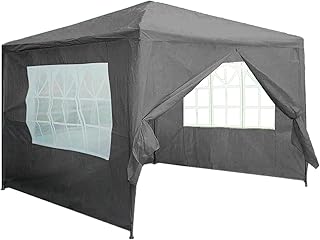
Pop-up gazebos emphasise portability and rapid deployment, typically featuring folding frame systems and lightweight materials that prioritise convenience over permanent installation. These structures require minimal site preparation but demand careful attention to securing methods that prevent wind damage whilst maintaining portability. Understanding pop-up limitations prevents inappropriate use whilst maximising their intended benefits.
Permanent gazebos feature robust construction designed for long-term installation and weather resistance, typically requiring concrete foundations and more complex assembly procedures. These structures offer superior durability and weather protection but require significant installation investment and may need building consent. Understanding permanent gazebo requirements ensures appropriate planning and resource allocation.
Modular gazebos combine portability with enhanced durability through component systems that can be assembled and disassembled without tools or permanent foundations. These hybrid designs offer flexibility for changing needs whilst providing better weather protection than pop-up alternatives. Understanding modular systems ensures correct assembly sequence and component handling.
People Also Look For:
- Outsunny 3 x 4m Garden Gazebo Hexagon Pop Up Gazebo Party Tent Canopy Double Roof Instant Shelter with Netting and Carry Bag for O...
- MAXIMUS HEAVY DUTY POP UP GAZEBO 3m x 3m COMMERCIAL MARKET STALL WITH 4 WEIGHT BAGS (4 Walls, Grey)
- Yaheetech Pop Up Gazebo w/Sides, 3.3x3.3m Outdoor Instant Patio Canopy Shelter w/Mesh Netting, Waterproof Garden Gazebo w/Sandbags...
- Yaheetech Pop Up Gazebo, 3x3m Instant Foldinng Shelter with Wheeled Bag, 4 Sandbags, 4 Ropes, 8 Stakes, Metal Frame, Adjustable He...
- Pop Up Gazebo with 4 Sides, 3m x 3m Waterproof Pop Up Tent, Center Lock One Push Instant Garden Shelter, Heavy Duty Gazebo with Ca...
Frame materials affect installation requirements, with steel frames requiring different handling and connection methods than aluminium or wood alternatives. Understanding material properties helps determine appropriate tools, techniques, and safety precautions whilst preventing damage during assembly. Material-specific care instructions ensure longevity and maintain warranty coverage.
Covering materials range from basic polyethylene tarps to sophisticated architectural fabrics, each requiring specific installation techniques and care procedures. Understanding covering attachment methods, tension requirements, and weather limitations prevents damage whilst ensuring optimal performance. Proper covering installation significantly affects both appearance and weather protection.
Hardware systems vary significantly between manufacturers and gazebo types, requiring careful attention to instruction manuals and component identification. Understanding hardware functions and installation sequences prevents incorrect assembly whilst ensuring structural integrity. Quality hardware significantly affects gazebo longevity and may justify upgrade investments for enhanced performance.
Step-by-Step Assembly Process
Systematic assembly procedures ensure efficient installation whilst maintaining safety and quality standards throughout the construction process. Following established sequences prevents problems whilst ensuring that each step builds properly upon previous work, creating strong, stable structures that meet design specifications.
Unpacking and inventory procedures begin assembly by ensuring all components are present and undamaged whilst organising materials for efficient access during construction. Laying out components in assembly sequence reduces handling time whilst preventing damage from repeated movement. Checking components against instruction manuals identifies any discrepancies before assembly begins.
Frame assembly typically begins with base components that establish the structure's footprint and connection points for vertical elements. Understanding frame geometry ensures correct orientation whilst proper connection techniques create strong, stable joints that support the entire structure. Temporary bracing prevents frame distortion whilst additional components are added.
Vertical element installation requires careful attention to plumb and level whilst ensuring secure connections that transfer loads safely to foundation elements. Understanding structural loading helps identify critical connections whilst proper sequencing prevents frame distortion. Measuring diagonals confirms frame squareness whilst preventing problems during roof installation.
Roof assembly often represents the most challenging installation phase, requiring coordination between multiple workers whilst managing large, unwieldy components in potentially windy conditions. Understanding roof geometry and support requirements ensures proper installation whilst safety procedures prevent accidents during overhead work. Temporary supports maintain roof shape whilst permanent connections are completed.
Hardware installation requires attention to torque specifications, thread engagement, and proper orientation whilst ensuring all connections meet design requirements. Over-tightening can damage components whilst insufficient tightening creates safety hazards and structural instability. Using appropriate tools and following manufacturer specifications ensures optimal performance.
Covering installation demands careful handling of potentially delicate materials whilst achieving proper tension and secure attachment. Understanding fabric behaviour prevents damage whilst ensuring weather protection and aesthetic appeal. Proper tensioning techniques prevent sagging whilst avoiding excessive stress that can damage covering materials.
Safety Protocols During Installation
Safety consciousness throughout installation prevents injuries whilst protecting both workers and bystanders from hazards associated with construction activities. Understanding potential risks and implementing appropriate precautions ensures successful completion whilst maintaining professional standards and legal compliance.
Personal protective equipment requirements include appropriate clothing, footwear, and safety accessories that protect against common installation hazards. Work boots with slip-resistant soles prevent falls whilst protecting feet from dropped tools or materials. Long trousers and sleeves protect against cuts and abrasions whilst avoiding loose clothing that can catch on equipment.
Lifting techniques become particularly important when handling large or heavy components that can cause strain injuries if managed improperly. Understanding proper lifting posture, team coordination, and mechanical advantage techniques prevents injuries whilst improving efficiency. Mechanical aids such as trolleys or lifts reduce physical strain whilst improving safety margins.
Ladder safety requirements include proper selection, placement, and usage techniques that prevent falls whilst providing secure access to elevated work areas. Understanding ladder angle requirements, weight limits, and stability factors prevents accidents whilst ensuring productive work access. Having helpers spot ladders provides additional safety whilst improving efficiency.
Tool safety involves proper handling, maintenance, and storage procedures that prevent accidents whilst ensuring optimal performance. Understanding power tool safety requirements, including electrical safety and proper operation techniques, prevents injuries whilst protecting equipment. Maintaining sharp, clean tools improves performance whilst reducing accident risk.
Weather monitoring throughout installation identifies changing conditions that may create safety hazards whilst affecting work quality. Wind speed monitoring prevents dangerous work during unsafe conditions whilst temperature considerations affect both worker comfort and material performance. Having weather contingency plans prevents incomplete installations or safety compromises.
Emergency procedures ensure appropriate response to accidents whilst maintaining contact with emergency services if required. Having first aid supplies and trained personnel available addresses minor injuries whilst understanding when professional medical attention is required. Maintaining clear emergency access routes prevents delays during critical situations.
Securing and Anchoring Systems
Proper anchoring systems ensure gazebo stability whilst preventing wind damage or structural failure that can create safety hazards and property damage. Understanding anchoring requirements and installation techniques provides security whilst maintaining structural integrity throughout the gazebo's service life.
Ground anchor types vary significantly based on soil conditions, gazebo size, and intended permanence, ranging from simple tent stakes to engineered foundation systems. Understanding anchor selection criteria ensures appropriate choices whilst preventing over-engineering that wastes resources or under-engineering that compromises safety. Soil testing may be required for permanent installations in challenging conditions.
Weight-based anchoring systems provide stability through mass rather than ground penetration, offering advantages for temporary installations or situations where ground anchors prove impractical. Understanding weight distribution principles ensures effective anchoring whilst preventing damage to gazebo components. Sandbags, concrete blocks, or water-filled containers provide readily available anchoring mass.
Guy wire systems distribute loads across multiple anchor points whilst providing adjustable tensioning that accommodates varying wind conditions. Understanding guy wire angles, tensioning techniques, and anchor point selection ensures effective load distribution whilst preventing interference with gazebo use. Proper guy wire installation significantly improves stability whilst maintaining accessibility.
Integrated anchoring systems built into gazebo designs provide optimised load paths whilst simplifying installation and maintenance. Understanding integrated system operation ensures proper utilisation whilst preventing incorrect installation that compromises effectiveness. Manufacturer specifications typically provide detailed instructions for integrated anchoring systems.
Soil condition assessment affects anchor selection and installation techniques whilst determining load-bearing capacity and long-term stability. Understanding soil types, drainage characteristics, and seasonal variations helps predict anchor performance whilst preventing failure during extreme conditions. Professional soil testing may be required for permanent installations or challenging sites.
Anchor maintenance requirements ensure continued effectiveness whilst preventing gradual loosening or deterioration that can compromise safety. Understanding inspection schedules, adjustment procedures, and replacement criteria maintains anchoring effectiveness whilst preventing sudden failures. Regular maintenance often proves more cost-effective than emergency repairs or replacement.
Quality Control and Safety Checks
Systematic quality control procedures ensure installation meets design specifications whilst identifying potential problems before they become safety hazards or performance issues. Understanding inspection techniques and acceptance criteria provides confidence in installation quality whilst maintaining professional standards.
Structural integrity checks verify that all connections meet design requirements whilst ensuring proper load transfer throughout the gazebo structure. Understanding critical connection points, load paths, and stress concentrations helps identify potential problems whilst preventing structural failure. Checking hardware torque specifications ensures optimal performance whilst preventing loosening under load.
Alignment and level verification ensures proper gazebo geometry whilst preventing problems with covering installation or door/window operation. Understanding acceptable tolerance levels prevents over-adjustment whilst ensuring adequate precision for optimal performance. Using appropriate measuring tools provides accurate assessment whilst documenting compliance with specifications.
Covering inspection verifies proper installation whilst checking for damage or improper tensioning that can affect performance or longevity. Understanding covering materials and attachment methods ensures appropriate inspection techniques whilst preventing damage during examination. Proper covering installation significantly affects both appearance and weather protection.
Hardware inspection includes checking all fasteners, connections, and mechanical components for proper installation and operation. Understanding hardware functions and performance criteria ensures comprehensive inspection whilst preventing oversight of critical components. Documenting hardware inspection results provides records for future maintenance and warranty purposes.
Safety system verification ensures that all safety features function properly whilst meeting design requirements and regulatory standards. Understanding safety system operation and testing procedures provides confidence in protection levels whilst maintaining compliance. Regular safety system testing maintains effectiveness whilst preventing failure during emergency conditions.
Documentation completion includes recording installation details, component specifications, and maintenance requirements for future reference. Understanding documentation requirements ensures comprehensive records whilst supporting warranty claims and future modifications. Maintaining accurate records significantly improves maintenance efficiency and problem resolution.
Common Installation Problems and Solutions
Understanding common installation challenges and their solutions helps prevent problems whilst providing troubleshooting guidance when issues arise. Experience with typical problems enables proactive prevention whilst ensuring efficient resolution when problems occur despite careful preparation.
Foundation problems often stem from inadequate site preparation, incorrect measurements, or improper material selection. Understanding foundation requirements and common failure modes helps prevent problems whilst providing guidance for corrective actions. Addressing foundation problems promptly prevents more serious structural issues whilst maintaining safety margins.
Frame alignment issues typically result from incorrect assembly sequences, inadequate bracing, or dimensional inaccuracies. Understanding frame geometry and assembly techniques helps prevent alignment problems whilst providing correction methods when problems occur. Maintaining proper alignment ensures optimal performance whilst preventing premature wear.
Hardware problems include missing components, incorrect installation, or inadequate torque specifications that can compromise structural integrity. Understanding hardware requirements and installation techniques prevents problems whilst providing troubleshooting guidance. Maintaining proper hardware standards ensures safety whilst supporting warranty coverage.
Covering difficulties often involve improper tensioning, inadequate attachment, or damage during installation that affects both appearance and performance. Understanding covering materials and installation techniques prevents problems whilst providing repair guidance when damage occurs. Proper covering installation significantly affects gazebo longevity and user satisfaction.
Weather-related problems can arise from inadequate preparation, poor timing, or insufficient protection measures that affect both installation quality and worker safety. Understanding weather impacts and mitigation strategies helps prevent problems whilst providing guidance for continuing work during challenging conditions. Weather planning often determines installation success.
Tool and equipment problems can delay installation whilst affecting work quality and safety. Understanding tool requirements and backup options prevents delays whilst ensuring adequate capability throughout installation. Maintaining proper tools and equipment significantly improves installation efficiency and results.
Post-Installation Maintenance Setup
Establishing maintenance procedures immediately after installation ensures long-term performance whilst preventing problems that can affect safety and appearance. Understanding maintenance requirements and scheduling provides proactive care whilst maximising return on installation investment.
Initial maintenance tasks include final cleaning, adjustment of connections, and establishment of inspection schedules that maintain optimal performance. Understanding break-in periods and adjustment requirements ensures proper initial service whilst preventing problems during early operation. Proper initial maintenance often prevents more serious problems later.
Maintenance schedule development provides systematic care whilst ensuring that all components receive appropriate attention. Understanding maintenance intervals and requirements helps establish efficient schedules whilst preventing over-maintenance that wastes resources. Regular maintenance typically proves more cost-effective than emergency repairs.
Spare parts inventory ensures rapid repair capability whilst preventing delays when maintenance becomes necessary. Understanding common wear items and replacement intervals helps establish appropriate inventory levels whilst preventing excessive investment in slow-moving parts. Maintaining spare parts availability significantly improves maintenance efficiency.
Tool and equipment requirements for ongoing maintenance may differ from installation requirements, requiring separate planning and procurement. Understanding maintenance tool needs ensures capability whilst preventing delays during routine service. Maintaining proper maintenance tools improves efficiency whilst ensuring quality results.
Documentation systems for maintenance records provide tracking capability whilst supporting warranty claims and future modifications. Understanding documentation requirements ensures comprehensive records whilst improving maintenance efficiency. Maintaining accurate maintenance records often proves valuable for troubleshooting and planning purposes.
Seasonal maintenance requirements address weather-related challenges whilst ensuring continued performance throughout varying conditions. Understanding seasonal impacts and mitigation strategies provides proactive care whilst preventing weather-related damage. Seasonal maintenance often determines long-term gazebo performance and longevity.
Troubleshooting Guide for Quick Fixes
Understanding quick-fix solutions for common problems enables efficient problem resolution whilst maintaining gazebo operation and safety. Developing troubleshooting skills prevents minor issues from becoming major problems whilst ensuring continued enjoyment of the outdoor space.
Structural issues may develop gradually or suddenly, requiring prompt identification and correction to prevent safety hazards or further damage. Understanding structural warning signs and appropriate responses ensures safety whilst preventing catastrophic failures. Professional assistance may be required for serious structural problems.
Covering problems including tears, loosening, or attachment failures often require immediate attention to prevent further damage or safety hazards. Understanding covering repair techniques and temporary fixes maintains weather protection whilst preventing additional damage. Covering problems often worsen rapidly if not addressed promptly.
Hardware loosening or failure requires immediate attention to maintain structural integrity and safety. Understanding hardware functions and replacement procedures enables rapid response whilst preventing more serious problems. Maintaining hardware properly prevents most problems whilst ensuring long-term reliability.
Weather damage may occur suddenly and require immediate action to prevent further deterioration or safety hazards. Understanding weather damage assessment and emergency repairs maintains safety whilst preventing additional damage. Having emergency repair supplies available improves response capability.
Drainage problems can develop gradually or appear suddenly, requiring prompt attention to prevent foundation damage or safety hazards. Understanding drainage solutions and maintenance techniques prevents problems whilst ensuring continued performance. Drainage problems often worsen during wet periods if not addressed promptly.
Access and egress problems may affect safety and usability, requiring immediate attention to maintain safe operation. Understanding access requirements and maintenance techniques ensures continued safety whilst preventing accidents. Maintaining proper access often proves critical during emergency situations.
Summary
Setting up a gazebo quickly and safely requires systematic preparation, appropriate tools, and careful attention to both installation procedures and safety protocols. Success depends on understanding the specific gazebo type, site conditions, and regulatory requirements whilst following manufacturer instructions and established best practices throughout the installation process.
Pre-installation planning addresses site selection, ground preparation, and resource coordination whilst ensuring compliance with local regulations and safety standards. Proper planning prevents costly mistakes and ensures optimal installation conditions that support both immediate success and long-term performance.
Tools and materials preparation provides everything needed for efficient installation whilst ensuring safety and quality standards throughout the construction process. Understanding tool requirements and having appropriate equipment available prevents delays whilst ensuring professional-quality results that meet design specifications.
Site preparation and foundation work create the essential groundwork for successful installation whilst addressing drainage, stability, and regulatory requirements. Proper foundation preparation often requires more time than actual assembly but provides critical support that determines long-term performance and safety.
Understanding gazebo types and components ensures appropriate installation techniques whilst preventing mistakes that can compromise performance or safety. Different gazebo designs require distinct approaches, and understanding these differences ensures optimal installation results whilst maintaining warranty coverage.
Step-by-step assembly procedures provide systematic approaches that ensure efficient installation whilst maintaining safety and quality standards. Following established sequences prevents problems whilst ensuring that each step builds properly upon previous work to create strong, stable structures.
Safety protocols protect installers and bystanders whilst ensuring compliance with health and safety requirements throughout the construction process. Understanding potential hazards and implementing appropriate precautions prevents injuries whilst maintaining professional standards and legal compliance.
Securing and anchoring systems provide essential stability whilst preventing wind damage or structural failure that can create safety hazards. Understanding anchoring requirements and installation techniques ensures security whilst maintaining structural integrity throughout the gazebo's service life.
Quality control and safety checks verify installation meets design specifications whilst identifying potential problems before they become safety hazards. Systematic inspection procedures ensure installation quality whilst maintaining professional standards and providing confidence in long-term performance.